

If you have been dealing with erectile dysfunction (ED), you are not alone. Millions of men across Canada experience ED at some point in their lives, and the causes are not always purely physical.
In fact, stress and anxiety play a much bigger role in erectile difficulties than most people realize. Whether it is work pressure, relationship tension, financial worries, or ongoing mental health challenges, the state of your mind has a direct impact on your ability to achieve and maintain an erection.
Many men focus exclusively on the physical side of ED, seeking medication or other treatments without addressing the psychological factors that may be contributing to the problem.
While ED medications can be highly effective, research increasingly shows that managing stress and anxiety alongside medical treatment can lead to significantly better outcomes.
In this article, we will explore the connection between stress, anxiety, and erectile dysfunction. We will look at what the science says about how your mental health affects your erections, why psychological ED and physical ED are more connected than you might think, and how treating the mental health component can improve your overall results.
Note: This article is for informational purposes only and should not be taken as medical advice. If you are experiencing erectile dysfunction or mental health concerns, please consult a licensed healthcare provider for guidance tailored to your specific situation.
How Stress and Anxiety Affect Erectile Function
To understand stress related erectile dysfunction, it helps to know a little about how erections work.
Achieving an erection requires a coordinated effort between your brain, nervous system, hormones, and blood vessels. When you become sexually aroused, your brain sends signals through your nervous system that trigger increased blood flow to the penis. This process depends heavily on the parasympathetic nervous system, which is your body’s “rest and digest” mode.
Stress and anxiety activate the opposite system: the sympathetic nervous system, also known as the “fight or flight” response. When this system is switched on, your body prioritizes survival over everything else, including sexual function. Your heart rate increases, your muscles tense, and blood flow is redirected away from non essential functions like arousal.
Cortisol, the primary stress hormone, also plays a direct role. Research published in Translational Andrology and Urology found that elevated cortisol levels can suppress testosterone production, constrict blood vessels, and interfere with the normal decline in cortisol that is required for a healthy erectile response.
In studies of healthy volunteers, cortisol levels in the blood decreased significantly as sexual arousal increased and the penis became erect, suggesting that a drop in cortisol is actually a prerequisite for normal erectile function.
In simple terms, when you are stressed or anxious, your body is working against the very processes that make erections possible.
Can Stress Cause Erectile Dysfunction?
The short answer is, yes. Stress can absolutely cause erectile dysfunction, and research supports this.
A systematic review published in the International Journal of Impotence Research examined the relationship between anxiety disorders and ED, finding that men with anxiety disorders had a median ED prevalence of 20%, with most experiencing mild to moderate severity.
But can stress cause erectile dysfunction on its own, or does it always occur alongside a physical cause?
The reality is that ED rarely falls neatly into one category. While some cases are primarily psychological, meaning there is no underlying vascular or hormonal problem, stress and anxiety can also worsen existing physical contributors to ED.
For example, a man who has mildly reduced blood flow to the penis might function well under relaxed conditions but struggle to achieve an erection when he is anxious or under pressure.
Performance anxiety is a particularly common example. A man experiences difficulty with an erection once and then becomes anxious about it happening again. That anxiety makes the problem more likely to recur, creating a cycle that can be difficult to break without intervention.
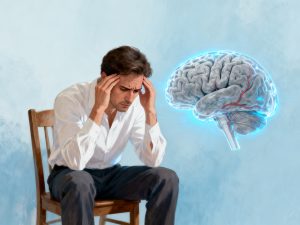
Psychological Causes of Erectile Dysfunction
When we talk about psychological erectile dysfunction, we are referring to ED that is primarily driven by mental or emotional factors rather than a physical condition. The psychological causes of erectile dysfunction are varied and can include:
- Chronic work stress or financial pressure.
- Relationship conflict or communication issues.
- Performance anxiety related to sexual encounters.
- Generalized anxiety disorder or panic disorder.
- Depression and low mood.
- Post traumatic stress disorder (PTSD).
- Low self esteem or negative body image.
Research has shown that specific anxiety disorders carry a particularly strong association with ED.
Studies of veterans with PTSD found that the condition increased the risk of sexual dysfunction by more than three times. Generalized anxiety disorder and other anxiety related conditions have also been linked to higher rates of erectile difficulties.
Mental health and erectile dysfunction often influence each other in both directions, creating a cycle that can worsen over time if not addressed.
How Mental Health Affects Sexual Performance Beyond Erections
The impact of mental health on sexual performance extends beyond just erections.
Stress and anxiety can reduce libido, affect arousal quality, and impact overall sexual satisfaction.
Chronic stress affects hormonal balance over time, including suppressing testosterone. Even if medication helps physically, unresolved mental health issues can still reduce overall sexual experience.
Relationship dynamics also play a role. Stress can lead to avoidance and communication breakdown, which further increases pressure and worsens performance.

Can Treating Anxiety Improve Erectile Dysfunction?
This is where the research becomes especially encouraging. Evidence suggests that treating anxiety and stress can meaningfully improve erectile function.
A multidisciplinary approach combining medical treatment with psychological support has been shown to improve outcomes and quality of life compared to either approach alone.
Combining therapy with ED medications like sildenafil or tadalafil is often more effective than either treatment on its own.
Even simple stress management strategies have been shown to reduce perceived stress and improve outcomes.
Practical Strategies for Managing Stress Related Erectile Dysfunction
Cognitive Behavioural Therapy (CBT)
CBT is one of the most well studied psychological treatments for ED. It helps identify and challenge negative thought patterns that fuel anxiety around sexual performance.
Mindfulness and Relaxation Techniques
Mindfulness, deep breathing, and relaxation techniques help activate the parasympathetic nervous system.
Physical Activity
Exercise is one of the most effective natural stress reducers. Aim for at least 150 minutes of moderate activity weekly.
Open Communication
Talking to your partner can significantly reduce performance pressure.
Limiting Alcohol and Improving Sleep
Better sleep and reduced alcohol intake support both mental health and erectile function.
When to Seek Professional Help
If you are experiencing ED and suspect stress or anxiety is involved, professional guidance can help.
A combination of medical treatment and mental health support often produces the best results.

Take Next Steps with myrocky
At myrocky, we understand that erectile dysfunction is about more than just the physical symptoms.
You can learn more about the ED medications available in Canada or read about what to expect when using ED medication.
References
- Barham, D.W., et al. The role of cortisol in erectile function. Translational Andrology and Urology, 2023.
- Poeppl, T.B., et al. Is cortisol an endogenous mediator of erectile dysfunction in the adult male? Translational Andrology and Urology, 2023.
- Rajkumar, R.P., and Kumaran, A.K. Erectile dysfunction in patients with anxiety disorders: a systematic review. International Journal of Impotence Research, 2022.
- Rosen, R.C. Anxiety and erectile dysfunction: a global approach to ED enhances results and quality of life. International Journal of Impotence Research.
- Graziani, G., et al. The effectiveness of psychological interventions alone or in combination with PDE5 inhibitors. Journal of Sexual Medicine, 2021.
- Kalaitzidou, I., et al. Stress management and erectile dysfunction: a pilot study. Andrologia, 2014.
Disclaimer: This article is intended for informational purposes only and is not a substitute for professional medical advice, diagnosis, or treatment. Always consult your healthcare provider with any questions about a medical condition or treatment.
Editorial Standards: At Rocky Health, we’ve made it our mission to support men and women with trustworthy, easy-to-understand medical and health information online. Read more about our editorial standards here.

