
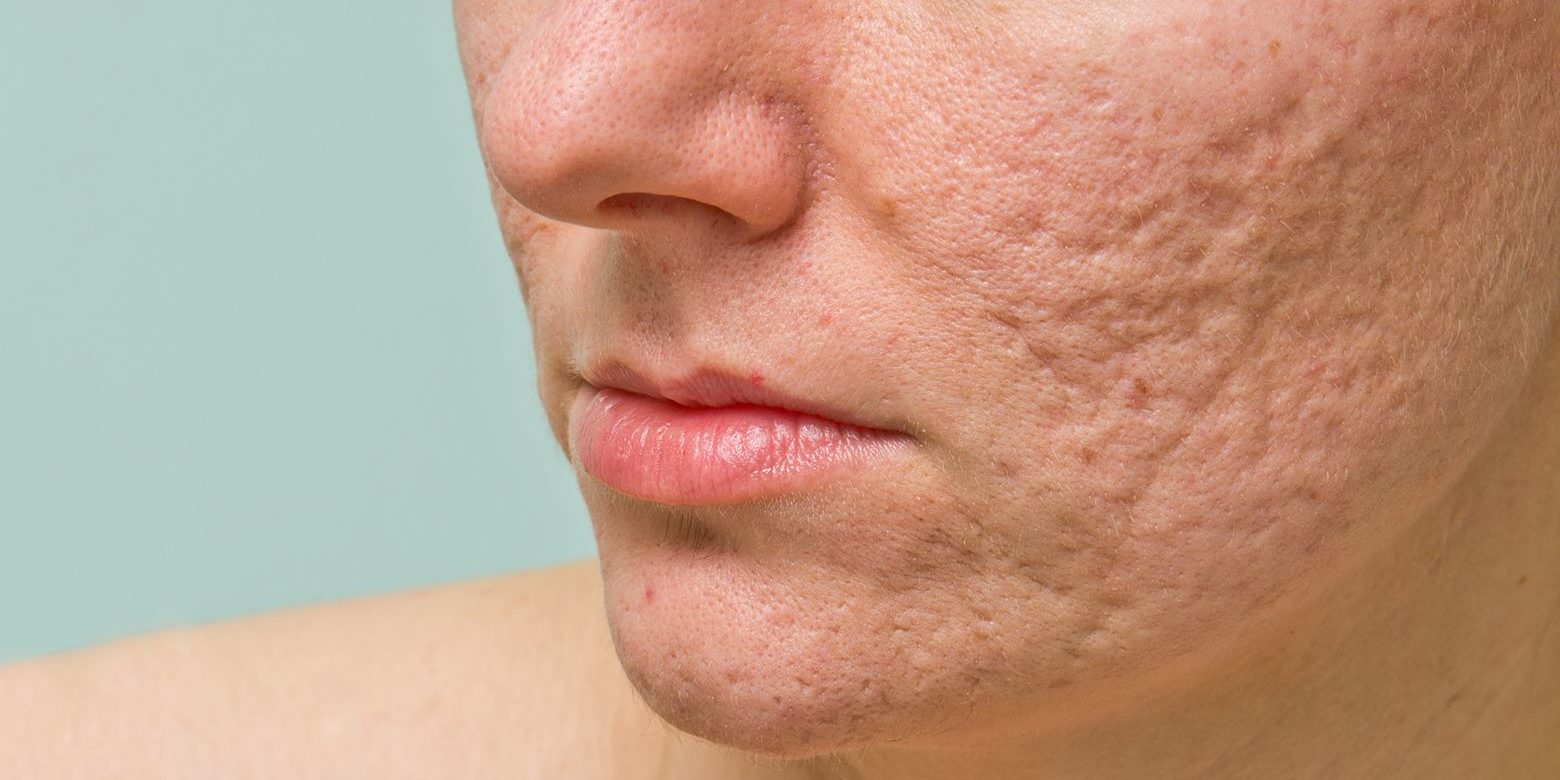
Acne scars can be frustrating—especially when active breakouts are finally under control, but marks or texture changes remain. Many Canadians search for ways to get rid of acne scars because they want clear, honest guidance on what actually works, how long it takes, and whether scars will fade on their own.
If you’re feeling unsure or overwhelmed by conflicting advice online, you’re not alone. Acne scarring is common, and treatment depends heavily on the type of scar and how early it’s addressed.
This guide explains what causes acne scars, the different types, which treatments are supported by medical evidence, realistic timelines for improvement, and how to prevent future scarring.
Note: Not all acne marks are permanent scars. Understanding the difference is the first step toward choosing the right treatment.
What Causes Acne Scars?
Acne scars form when inflammation from acne damages the deeper layers of the skin. This typically happens with moderate to severe acne, especially nodules or cysts.
Scarring risk increases when acne is:
- Inflamed and deep
- Left untreated for long periods
- Picked, squeezed, or popped
- Recurrent in the same areas
When the skin tries to heal, it may produce too little collagen (leading to indentations) or too much collagen (leading to raised scars). The result depends on how your skin repairs itself.
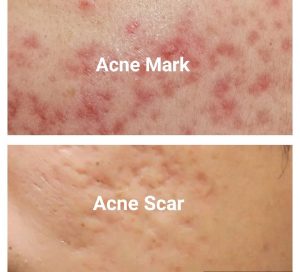
Acne Scars vs. Acne Marks: What’s the Difference?
This distinction matters because treatment differs.
Post-inflammatory hyperpigmentation (PIH) are flat red, pink, or brown marks left behind after acne heals. They are not true scars and often fade with time.
True acne scars involve changes in skin texture—either indentations or raised areas—and do not fade on their own without treatment.
Many people have a combination of both.
Types of Acne Scars
Knowing your scar type helps determine which treatments will actually help.
Atrophic (indented) scars are the most common type and include:
- Ice pick scars: narrow, deep pits
- Boxcar scars: wider, shallow depressions with defined edges
- Rolling scars: uneven texture caused by tethered skin
Hypertrophic and keloid scars are raised scars caused by excess collagen. They’re more common on the chest, shoulders, and jawline and in people with darker skin tones.
Do Acne Scars Go Away on Their Own?
True acne scars usually do not go away without treatment.
However:
- Acne marks (red or brown spots) often fade over months
- Mild texture changes may improve slightly with time
- Early treatment leads to better outcomes
If scars are changing the surface of the skin, professional or targeted treatment is usually needed.
How to Get Rid of Acne Scars: Treatment Options That Work
There is no single “best” treatment for acne scars. The most effective approach depends on scar type, skin tone, severity, and budget.
Below are evidence-based options, starting with at-home care and moving to in-clinic treatments.
Topical Treatments (Best for Mild Scarring and Marks)
Topical products won’t remove deep scars, but they can improve texture, tone, and overall appearance.
Retinoids
Prescription or over-the-counter retinoids increase cell turnover and stimulate collagen production.
They can help with:
- Mild atrophic scars
- Uneven texture
- Post-acne marks
Results take time—usually 3 to 6 months of consistent use.
Chemical exfoliants (AHAs and BHAs)
Ingredients like glycolic acid or salicylic acid help smooth skin and fade discolouration.
Best for:
- Surface texture
- Pigment-related marks
Avoid overuse, which can worsen irritation and scarring.
Professional Treatments for Acne Scars
These options are more effective for moderate to severe scarring.
- Chemical peels (medical-grade) — Stronger peels performed by professionals can improve texture and pigmentation over a series of treatments.
- Microneedling — Creates controlled micro-injuries that stimulate collagen production. Often effective for rolling and boxcar scars.
- Laser treatments — Ablative and non-ablative lasers resurface skin and boost collagen. These require professional assessment and downtime considerations.
- Subcision — A minor surgical procedure that releases tethered scars, improving rolling scars significantly.
- Steroid injections (for raised scars) — Used to flatten hypertrophic or keloid scars.
A dermatologist can help determine which combination is most appropriate.
How Long Does It Take to See Results?
Timelines depend on the treatment used.
- Topicals: 8–12 weeks for early improvement
- Microneedling: noticeable improvement after 3–6 months
- Laser treatments: gradual improvement over several months
- Acne marks: often fade within 3–12 months
Scarring improvement is gradual. Multiple sessions are often needed, and realistic expectations are important.
Can Home Remedies Remove Acne Scars?
There’s limited evidence supporting home remedies like lemon juice, baking soda, or essential oils. Many can irritate the skin and worsen scarring or pigmentation.
If you’re considering “natural” options, focus on:
- Sun protection
- Gentle skincare
- Evidence-based actives
Avoid anything that stings, burns, or inflames the skin.
How to Prevent Future Acne Scars
Prevention is just as important as treatment.
- Treating acne early and consistently
- Avoiding picking or popping pimples
- Using sunscreen daily to prevent darkening of scars
- Following a gentle, non-irritating skincare routine
Effective acne control is one of the best ways to prevent scarring from forming in the first place.
When to Talk to a Healthcare Professional
Consider professional guidance if:
- Scars are affecting confidence or mental well-being
- Acne is ongoing or severe
- Over-the-counter treatments aren’t helping
- You’re unsure which scar type you have
Pharmacists, primary care providers, and dermatologists can help guide next steps and prevent unnecessary trial and error.
A Final Word on Acne Scar Treatment
Getting rid of acne scars takes time, patience, and the right approach—but meaningful improvement is possible. Understanding your scar type, choosing evidence-based treatments, and setting realistic expectations can make the process far less overwhelming.
If you’re unsure where to start, professional guidance can help you choose safe, effective options tailored to your skin—without unnecessary risk or frustration.
References
- Canadian Dermatology Association. “Acne Scarring: Causes and Treatments.” https://dermatology.ca/public-patients/skin/acne/scarring/
- Zaenglein, A. L., et al. “Guidelines of Care for the Management of Acne Vulgaris.”
Journal of the American Academy of Dermatology, 2016. https://www.jaad.org/article/S0190-9622(15)02614-6/fulltext
- Goodman, G. J., & Baron, J. A. “Postacne Scarring: A Review of Its Pathophysiology and Treatment.”
Dermatologic Surgery, 2006. https://pubmed.ncbi.nlm.nih.gov/17083588/
- Health Canada. “Skin Care Products and Acne Treatment.” https://www.canada.ca/en/health-canada/services/skin-care-products.html
Disclaimer: This article is intended for informational purposes only and is not a substitute for professional medical advice, diagnosis, or treatment. Always consult your healthcare provider with any questions about a medical condition or treatment.
Editorial Standards: At Rocky Health, we’ve made it our mission to support men and women with trustworthy, easy-to-understand medical and health information online. Read more about our editorial standards here.

