
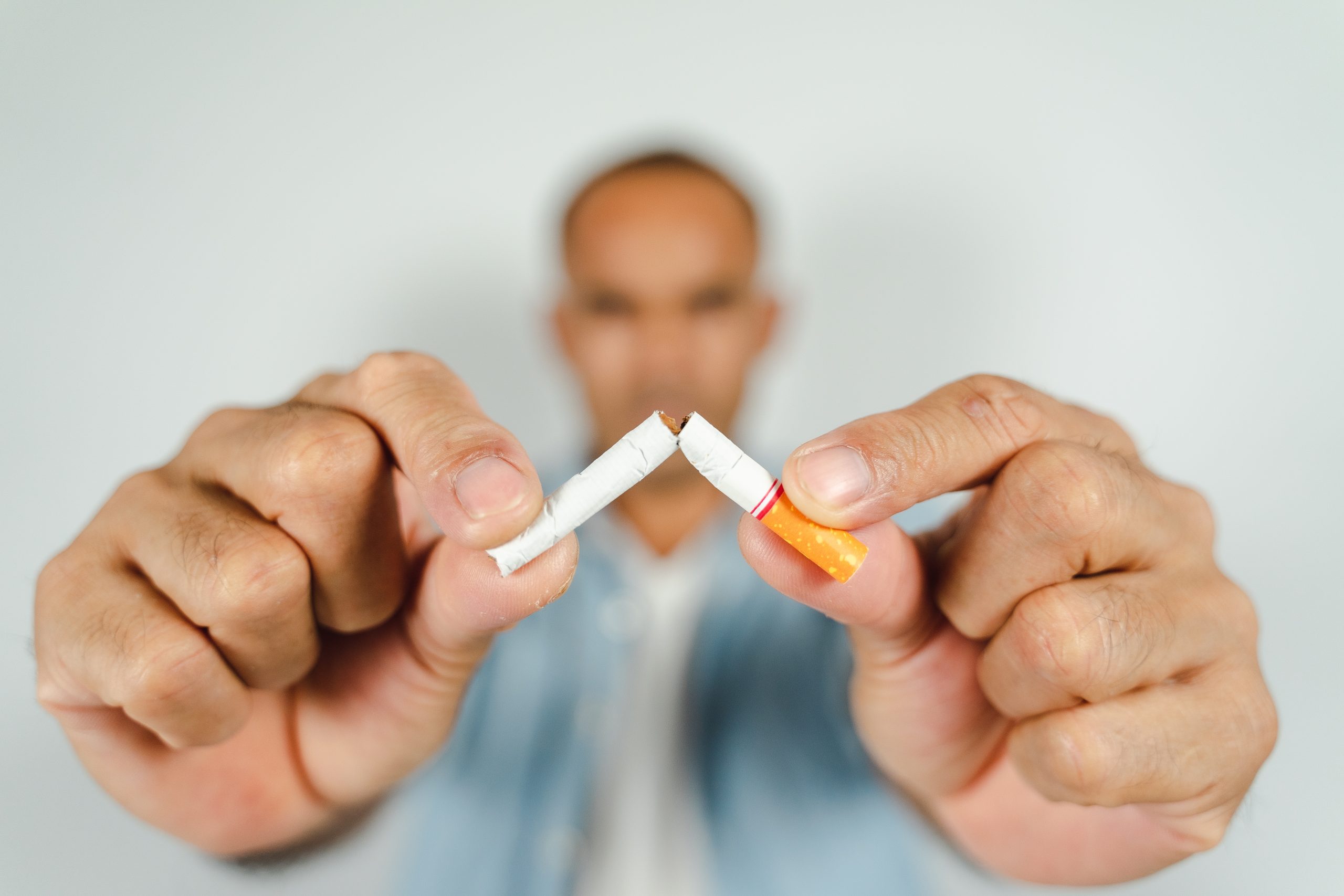
Deciding to quit smoking is a big step, and for many people, it’s one they’ve thought about for a long time. Whether you’re motivated by health concerns, cost, family, or simply feeling tired of being dependent on cigarettes, wanting to quit is a meaningful starting point.
At the same time, quitting smoking can feel intimidating. Nicotine is highly addictive, and many people worry about cravings, withdrawal symptoms, weight gain, or failing after previous attempts. If that sounds familiar, you’re not alone, and it doesn’t mean you can’t quit successfully.
This guide is designed to give you clear, realistic, and medically sound advice on how to stop smoking. We’ll cover what happens in your body when you quit, proven strategies that actually work, nicotine replacement alternatives like nicotine pouches, how to manage cravings, and what to expect in the days and weeks ahead.
Note: Quitting smoking is a process, not a single moment. Progress matters more than perfection.
Why Quitting Smoking Is So Hard
Smoking isn’t just a habit, it’s a combination of physical addiction, routine, and emotional association.
Nicotine affects the brain by triggering dopamine release, which reinforces the urge to smoke. Over time, the brain adapts, making nicotine feel necessary just to feel “normal.” When nicotine levels drop, withdrawal symptoms can appear.
Common challenges include:
- Strong cravings
- Irritability or anxiety
- Difficulty concentrating
- Changes in sleep
- Increased appetite
Understanding that these symptoms are part of the process, not a personal failure, can make quitting feel more manageable.
What Happens When You Quit Smoking
Your body starts to heal almost immediately after your last cigarette.
Within hours to days:
- Carbon monoxide levels drop
- Oxygen levels improve
- Heart rate and blood pressure begin to normalize
Within weeks:
- Circulation improves
- Lung function begins to recover
- Cravings become less frequent
Within months to years:
- Risk of heart disease and stroke decreases
- Lung health continues to improve
- Cancer risk declines over time
While withdrawal symptoms peak early, the long-term health benefits continue to build.
The Best Way to Quit Smoking: Evidence-Based Approaches
Research consistently shows that the most successful quit attempts combine behavioural strategies with nicotine replacement or alternatives.
There is no single “best” method for everyone. The most effective approach is the one you can stick with.
Set a Quit Plan That Fits Your Life
Some people quit abruptly, while others taper gradually. Both approaches can work.
- Choosing a quit date or reduction plan
- Identifying triggers such as stress, alcohol, or specific routines
- Choosing a nicotine alternative if needed
Planning reduces uncertainty, which often fuels anxiety during quitting.
Nicotine Replacement and Alternatives: What Are Your Options?
Nicotine itself isn’t what causes smoking-related disease, the harm comes from burning tobacco and inhaling smoke. This is why nicotine replacement and smoke-free alternatives can be helpful tools.
- Nicotine patches
- Nicotine gum or lozenges
- Nicotine inhalers or sprays
- Nicotine pouches
Using nicotine in a controlled, smoke-free way can reduce withdrawal symptoms while you break the behavioural habit of smoking.

Nicotine Pouches for Quitting Smoking
Nicotine pouches are a newer, smoke-free nicotine alternative that some people find helpful when quitting.
Products like ZONNIC Nicotine Pouches deliver nicotine orally without combustion, smoke, or vapour. They are discreet, easy to use, and don’t involve inhaling anything into the lungs.
- Reduced exposure to harmful chemicals from smoking
- Flexible dosing to manage cravings
- No smoke or smell
- Useful in situations where smoking isn’t possible
Nicotine pouches can be used as part of a gradual transition away from cigarettes, with the goal of eventually reducing nicotine use altogether.
You can learn more about smoke-free nicotine options through myRocky’s smoking cessation resources and product education pages.
How to Manage Cravings When Quitting
Cravings are temporary, even when they feel intense.
Most cravings last 5 to 10 minutes. Having a plan can help you get through them without smoking.
- Delaying the urge and reminding yourself it will pass
- Drinking water or chewing sugar-free gum
- Using a nicotine alternative as directed
- Changing your environment or activity
- Practicing slow, deep breathing
Cravings tend to decrease in frequency and intensity over the first few weeks.
Quitting Smoking Without Extreme Withdrawal
Many people worry that quitting means suffering through severe withdrawal. In reality, withdrawal can often be managed.
- Reducing sudden drops in nicotine levels
- Easing irritability and restlessness
- Improving focus during early quitting
Combining nicotine alternatives with behavioural strategies is far more effective than relying on willpower alone.
What to Expect in the First Few Weeks
Days 1 to 3:
- Nicotine withdrawal peaks
- Cravings and irritability are most noticeable
Week 1 to 2:
- Cravings still occur but become less intense
- Sleep and mood may fluctuate
Weeks 3 to 4:
- Brain chemistry begins to rebalance
- Cravings become more situational
After one month:
- Many people feel more confident and in control
- Physical dependence continues to fade
Everyone’s timeline is slightly different, but symptoms do improve.
Common Concerns When Quitting Smoking
Weight Gain
Some people gain a small amount of weight after quitting, often due to increased appetite. Staying active and choosing healthy snacks can help.
Stress Management
Smoking often feels like stress relief, but nicotine actually increases baseline stress. Learning new coping strategies is key.
Relapse
A lapse doesn’t mean failure. Many successful quitters needed more than one attempt. What matters is continuing forward.
Stopping Smoking Naturally: What Helps and What Doesn’t
Lifestyle changes can support quitting, but they’re usually not enough on their own for nicotine dependence.
- Physical activity
- Adequate sleep
- Stress management techniques
- Healthy nutrition
Unproven remedies or “quick fixes” should be approached cautiously. Evidence-based methods are far more reliable.
How Long Does It Take to Quit for Good?
There’s no single finish line. Many people consider themselves “quit” after several months without smoking, but continued awareness of triggers is important. Long-term success comes from building new routines that don’t involve cigarettes.
When to Get Professional Support
You don’t have to quit alone.
- You’ve tried multiple times without success
- Withdrawal symptoms feel unmanageable
- You have underlying mental health conditions
- You want guidance on nicotine alternatives
Pharmacists and healthcare providers can help tailor a quit plan that fits your needs.
myRocky offers digital care and education to support smoking cessation, including guidance on nicotine alternatives and long-term strategies.
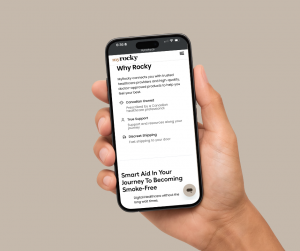
Helpful myRocky Resources
- ZONNIC Nicotine Pouches product education
- Smoking cessation support and assessments
- Preventive health and lifestyle care
Frequently Asked Questions About Quitting Smoking
What is the most effective way to quit smoking?
Combining nicotine alternatives with behavioural strategies offers the highest success rates.
Are nicotine pouches safer than smoking?
They avoid smoke and combustion, which significantly reduces exposure to harmful chemicals.
How long do cravings last?
Individual cravings usually last minutes. Overall craving frequency decreases over weeks.
Is it ever too late to quit?
No. Health benefits begin almost immediately at any age.
A Final Word from myRocky
Quitting smoking is one of the most impactful steps you can take for your long-term health. While it isn’t always easy, it is achievable with the right tools, support, and expectations.
Nicotine alternatives, practical strategies, and clear guidance can make the process far more manageable. Progress matters more than perfection, and every step away from cigarettes is a step toward better health.
References
- Mayo Clinic. “Nicotine Craving and Withdrawal.”
- Health Canada. “Quitting Smoking: What Happens When You Stop.”
- Canadian Cancer Society. “Nicotine Replacement Therapy.”
- Public Health Agency of Canada. “Smoking Cessation and Health Benefits.”
Disclaimer: This article is intended for informational purposes only and is not a substitute for professional medical advice, diagnosis, or treatment. Always consult your healthcare provider with any questions about a medical condition or treatment.
Editorial Standards: At Rocky Health, we’ve made it our mission to support men and women with trustworthy, easy-to-understand medical and health information online. Read more about our editorial standards here.

