
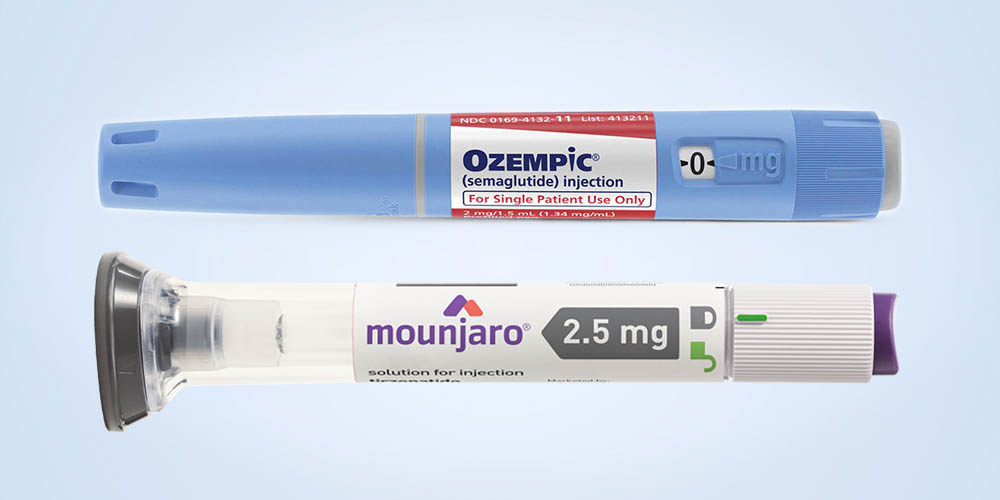
If you have been researching prescription options for weight loss or type 2 diabetes management in Canada, chances are you have come across both Mounjaro (tirzepatide) and Ozempic (semaglutide). Both medications are injectable treatments that have generated significant attention for their effectiveness, but they work in different ways and come with different considerations.
This comparison breaks down how each medication works, what the side effects look like, how much they cost in Canada without insurance, and what the clinical evidence says about weight loss outcomes. The goal is to give you a clear, balanced overview so you can have a more informed conversation with your healthcare provider.
Note: This article is for informational purposes only and should not be taken as medical advice. Both Mounjaro and Ozempic are prescription medications that require evaluation by a licensed healthcare provider. Do not start, stop, or change any medication without consulting your doctor or pharmacist.
What Is Mounjaro?
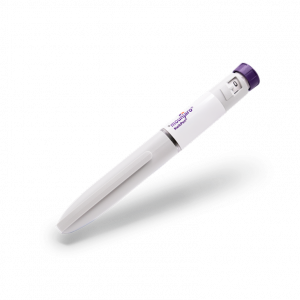
Mounjaro is the brand name for tirzepatide, a once-weekly injectable medication manufactured by Eli Lilly. It was approved by Health Canada for the treatment of type 2 diabetes in adults and is used alongside diet and exercise to improve blood sugar control. For more details, see Health Canada’s Summary Basis of Decision.
What makes Mounjaro unique is its dual mechanism of action. It activates both GIP (glucose-dependent insulinotropic polypeptide) and GLP-1 (glucagon-like peptide-1) receptors. This dual approach helps regulate blood sugar, reduce appetite, and promote weight loss more effectively than medications that target only one of these pathways. Mounjaro is available in doses ranging from 2.5 mg to 15 mg, administered once weekly by subcutaneous injection.
What Is Ozempic?
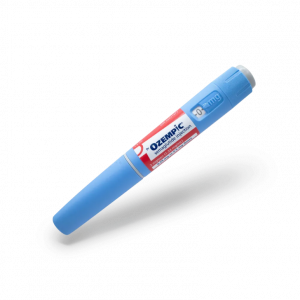
Ozempic is the brand name for semaglutide, a once-weekly injectable medication manufactured by Novo Nordisk. It is approved in Canada for the treatment of type 2 diabetes and works by activating GLP-1 receptors only. You can review official product information via Health Canada’s drug database.
By mimicking the GLP-1 hormone, Ozempic helps the body produce more insulin when blood sugar is elevated, slows digestion, and reduces appetite. Ozempic is available in doses of 0.25 mg, 0.5 mg, 1 mg, and 2 mg, with most patients starting at a lower dose and gradually increasing over several weeks. While Ozempic is not officially approved for weight loss in Canada, it is widely prescribed off-label for that purpose. A related product, Wegovy (semaglutide at higher doses), is specifically indicated for chronic weight management.
How Do They Work Differently?
The main difference comes down to their mechanism of action. Ozempic targets GLP-1 receptors only, while Mounjaro targets both GLP-1 and GIP receptors. This dual action is believed to be the reason Mounjaro has shown stronger results in some clinical trials, particularly when it comes to weight loss. See this head-to-head trial for more detail.
Both medications slow gastric emptying, reduce appetite, and improve blood sugar regulation. However, the addition of GIP receptor activation in Mounjaro appears to enhance these effects, leading to greater reductions in body weight and HbA1c levels in comparative studies.
What Are the Side Effects?
Both Mounjaro and Ozempic share a similar side effect profile, largely because they work on overlapping pathways. Most side effects are gastrointestinal in nature and tend to be most noticeable during the dose escalation phase.
Common Side Effects (Both Medications)
- Nausea, which is the most frequently reported side effect
- Diarrhea or constipation
- Vomiting, particularly in the first few weeks
- Decreased appetite
- Abdominal pain or discomfort
- Injection site reactions
Serious Side Effects to Watch For
- Pancreatitis (inflammation of the pancreas)
- Gallbladder problems, including gallstones
- Risk of thyroid C-cell tumours (observed in animal studies; clinical significance in humans is not yet confirmed)
- Acute kidney injury, particularly in patients who experience severe dehydration from vomiting or diarrhea
- Worsening of diabetic retinopathy in patients with pre-existing eye disease
Both medications carry a boxed warning about the potential risk of thyroid C-cell tumours and are contraindicated in patients with a personal or family history of medullary thyroid carcinoma or Multiple Endocrine Neoplasia syndrome type 2.
Which Is Better for Weight Loss?
Based on the available clinical evidence, Mounjaro has demonstrated greater weight loss results compared to Ozempic. In the SURPASS-2 trial, participants taking the highest dose of tirzepatide (15 mg) lost significantly more weight than those on semaglutide. You can review the study here.
Separately, the SURMOUNT trials showed that tirzepatide can produce weight loss of approximately 20% to 22% of body weight in adults without diabetes. Learn more here. By comparison, the STEP trials for semaglutide showed weight loss of approximately 15% to 17%. See the data here.
However, individual results vary widely. Factors such as your starting weight, overall health, diet, physical activity level, and how well you tolerate the medication all play a role. What works best for one person may not be the right fit for another, which is why a conversation with your healthcare provider is essential. For a closer look at what early treatment looks like, see what to expect in your first 90 days on weight loss medication.
How Much Does Each Cost in Canada Without Insurance?
Cost is a major consideration for many Canadians, especially since neither medication is universally covered by provincial drug plans for weight loss.
- Mounjaro: approximately $300 to $450 per month without insurance, depending on dosage and pharmacy
- Ozempic: approximately $250 to $370 per month without insurance, depending on dosage and pharmacy
Provincial drug formularies may cover part of the cost for patients with a confirmed type 2 diabetes diagnosis, but coverage for weight loss use is limited. Private insurance plans vary significantly in their coverage policies. It is worth checking with your insurer and your pharmacist to understand your specific out-of-pocket costs before starting treatment.
Are These Medications Safe?
Both Mounjaro and Ozempic have been reviewed and approved by Health Canada, which means they have met the regulatory standards for safety and efficacy in their approved indications. That said, no medication is without risk, and both carry important safety considerations.
Patients should inform their healthcare provider about their full medical history, including any history of pancreatitis, thyroid conditions, kidney disease, or diabetic eye disease. Both medications require regular monitoring, especially during the dose escalation phase, to watch for side effects and ensure the treatment is working as intended.
It is also important to obtain these medications only through a licensed pharmacy with a valid prescription. Health Canada has cautioned against using compounded or unregulated versions of GLP-1 medications, as these products may not meet the same safety and quality standards.
Frequently Asked Questions
Can I switch from Ozempic to Mounjaro?
Switching between these medications is possible, but it should only be done under the guidance of your healthcare provider. Your provider will determine the appropriate starting dose of Mounjaro based on your current treatment and health status.
Do I need a prescription for Mounjaro or Ozempic in Canada?
Yes, both Mounjaro and Ozempic are prescription medications in Canada. You will need to be evaluated by a licensed healthcare provider who can determine whether either medication is appropriate for your situation.
Can I use these medications for weight loss even if I do not have diabetes?
While both medications are approved for type 2 diabetes, healthcare providers may prescribe them off-label for weight management in certain cases. Discuss your options with your provider to determine whether this approach makes sense for you.

The Bottom Line
Both Mounjaro and Ozempic are effective, evidence-based options for managing type 2 diabetes, and both have shown meaningful results when it comes to weight loss. Mounjaro’s dual mechanism of action may offer an advantage in terms of weight loss outcomes, while Ozempic has a longer track record and a well-established safety profile in Canada.
The right choice depends on your individual health needs, goals, and circumstances. The best next step is to speak with a healthcare provider who can evaluate your situation and recommend the option that makes the most sense for you. If you are interested in exploring prescription weight loss options, you can learn more about myrocky’s weight loss program and connect with a licensed provider from home.
For more information on alternatives, check out our article on effective alternatives to Ozempic available in Canada, or visit the myrocky homepage to learn how our telehealth platform works.
References
- Health Canada, Therapeutic Products Directorate. Summary Basis of Decision: Mounjaro (Tirzepatide).
- Novo Nordisk. Ozempic (Semaglutide) Product Monograph.
- Tirzepatide Versus Semaglutide Once Weekly in Patients With Type 2 Diabetes.
- Tirzepatide Once Weekly for the Treatment of Obesity.
- Once-Weekly Semaglutide in Adults with Overweight or Obesity.
Disclaimer: This article is intended for informational purposes only and is not a substitute for professional medical advice, diagnosis, or treatment. Always consult your healthcare provider with any questions about a medical condition or treatment.
Editorial Standards: At Rocky Health, we’ve made it our mission to support men and women with trustworthy, easy-to-understand medical and health information online. Read more about our editorial standards here.

