
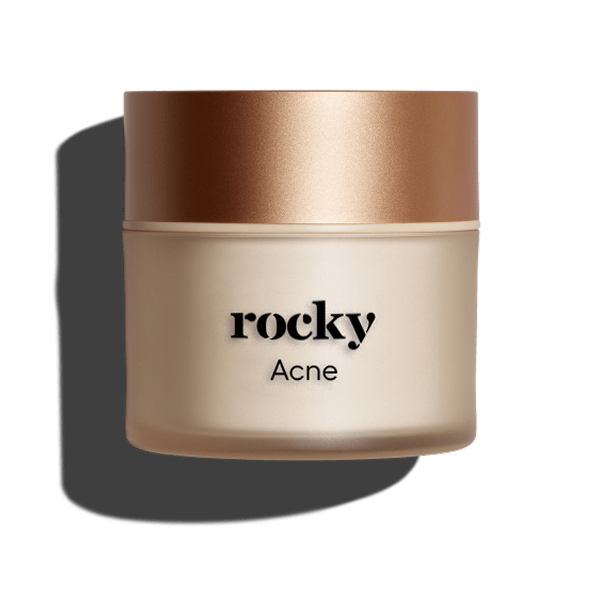
If you have been struggling with breakouts, oily skin, or stubborn acne that just will not go away, you are not alone. Acne is one of the most common skin conditions in the world, affecting roughly 9.4% of the global population.
And while most people associate acne with teenagers, adult men deal with it far more often than you might think. Research shows that about 42.5% of men in their 20s and 20.1% in their 30s still report dealing with acne.
The good news? A consistent, well chosen skincare routine can make a real difference. The challenge for most men is knowing where to start. Between confusing product labels, conflicting advice online, and the sheer number of options available, it is easy to feel overwhelmed.
This guide breaks it all down for you. We will walk through a simple, effective skincare routine designed for men with acne-prone skin, the ingredients that actually work, mistakes you will want to avoid, and how to access dermatologist recommended products online in Canada.
Note: Choosing the right skincare products and routine should always involve a conversation with a qualified healthcare provider. What works for one person may not work for another, and a professional can help tailor recommendations to your specific skin type and health needs.
Why Men’s Skin Is Different and Why It Matters for Acne
Before diving into routines and products, it helps to understand what makes men’s skin unique. Men’s skin is approximately 25% thicker than women’s skin and produces significantly more oil due to higher levels of testosterone. That extra sebum production is one of the primary drivers behind clogged pores, blackheads, and breakouts.
On top of that, daily shaving can irritate the skin, damage the protective barrier, and create micro cuts that invite bacteria. When you combine excess oil, a compromised skin barrier, and bacterial buildup, you have a recipe for persistent acne.
This is exactly why a targeted skincare routine matters. A routine built around your skin type can help regulate oil production, keep pores clear, and reduce inflammation, all without over drying or irritating your skin.
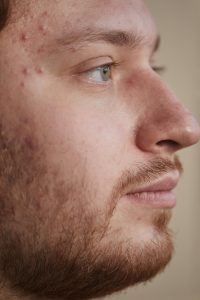
A Step-by-Step Skincare Routine for Men with Acne-Prone Skin
The best skincare routines for acne are not complicated. In fact, dermatologists consistently recommend keeping things simple. Layering too many active products at once can strip your skin barrier and actually make breakouts worse. Here is a straightforward routine you can follow morning and evening.
Step 1: Wash with a Gentle Cleanser
Start with a mild, fragrance-free facial cleanser. Avoid regular bar soap, which tends to be too harsh and can strip your skin of its natural moisture. Look for products labeled “oil free” or “non comedogenic,” meaning they will not clog your pores.
Wash your face twice daily, once in the morning and once before bed, and always after a workout.
Step 2: Apply an Acne Treatment Product
After cleansing, apply a targeted treatment product. The two most widely recommended over the counter ingredients for acne are benzoyl peroxide and salicylic acid. In general, benzoyl peroxide works best for inflammatory acne (red, swollen pimples), while salicylic acid is particularly effective for blackheads and clogged pores.
Step 3: Put on a Lightweight, Oil Free Moisturizer
One of the biggest misconceptions among men with oily or acne prone skin is that moisturizer is unnecessary. In reality, skipping moisturizer can actually make things worse. When your skin is dehydrated, it compensates by producing even more oil, which leads to more breakouts.
Choose a lightweight, non comedogenic moisturizer with ingredients like hyaluronic acid for hydration, niacinamide for oil control, or ceramides to support your skin barrier.

Key Ingredients to Look for in Skincare Products for Men with Acne
Not all acne products are created equal. What matters most is the active ingredients inside them. Here are the ones backed by dermatological research.
Benzoyl Peroxide
Benzoyl peroxide is considered a gold standard for treating inflammatory acne. It works by releasing oxygen into the pores, creating an environment where acne causing bacteria cannot survive.
It is available in concentrations ranging from 2.5% to 10%, though studies have shown that higher concentrations are not necessarily more effective and may cause unnecessary irritation. A good rule of thumb is to start low and increase only if needed.
One thing to keep in mind: benzoyl peroxide can bleach fabrics, so be mindful of your pillowcases and towels when using it.
Salicylic Acid
Salicylic acid is a beta hydroxy acid (BHA) that dissolves in oil, which makes it exceptionally effective at penetrating clogged pores and clearing out dead skin cells, excess sebum, and debris. It is particularly useful for blackheads and whiteheads.
Research also suggests that salicylic acid can help reduce overall oiliness, which further helps prevent future breakouts.
Niacinamide (Vitamin B3)
Niacinamide is a versatile ingredient that helps control oil production, reduce inflammation, and minimize the appearance of pores. It pairs well with other active ingredients and is gentle enough for daily use. If you are looking for a product that does double duty on oil control and redness reduction, niacinamide is an excellent choice.
Retinoids
Retinoids are vitamin A derivatives that help normalize skin cell turnover. By preventing dead skin cells from accumulating inside your pores, they reduce the formation of microcomedones, which are the precursors to all acne lesions.
Over the counter retinol is a good starting point, and prescription options like tretinoin offer stronger results for more persistent acne. The American Academy of Dermatology strongly recommends topical retinoids as part of an effective acne treatment plan.
What Men Should Avoid When Buying Skincare Products for Acne
Here are some common pitfalls:
- Using heavy, oil based products. If a product is not labeled “non comedogenic” or “oil free,” it may clog your pores and trigger breakouts.
- Washing with harsh scrubs and abrasive exfoliants. Physical scrubs with rough particles can damage the skin barrier, cause micro tears, and worsen inflammation. Choose chemical exfoliants like salicylic acid or glycolic acid instead.
- Applying products with artificial fragrances or alcohol. These can irritate sensitive, acne prone skin and strip moisture, leading to more oil production.
- Layering too many active ingredients at once. Using multiple strong treatments simultaneously (for example, benzoyl peroxide and a retinoid without guidance) can cause excessive dryness, peeling, and irritation. Introduce new products one at a time.
Common Skincare Mistakes Men Make and How to Fix Them
Even with good intentions, certain habits can sabotage your skincare efforts. Here are some of the most common mistakes men make when it comes to managing acne prone skin.
Over Washing Your Face
Washing your face three or four times a day might feel productive, but over cleansing strips your skin of its natural oils. When that happens, your skin goes into overdrive producing even more sebum to compensate, which leads to more breakouts. Helpful tip: Stick to washing twice a day, morning and evening, with a gentle cleanser.
Skipping Moisturizer
As mentioned earlier, moisturizer is not the enemy. Skipping it disrupts your skin barrier, triggers excess oil production, and can leave your skin both dehydrated and oily at the same time. Helpful tip: A lightweight, oil free gel moisturizer is your best bet.
Picking at Pimples
It is tempting, but popping or picking at pimples spreads bacteria, increases inflammation, and can lead to scarring that is much harder to treat than the breakout itself.
Note: If you have a deep or painful cyst, it is better to see a healthcare provider than to try dealing with it on your own.
Not Washing After Sweating
Sweat mixed with oil and bacteria is a fast track to breakouts. Whether you have been at the gym, out for a run, or working outdoors, make sure to wash your face as soon as possible afterward. Note: Letting sweat sit on your skin creates the perfect environment for pore congestion.
Ignoring Shaving Habits
For men who shave regularly, your shaving routine can directly affect your acne. Use a clean, sharp razor every time and opt for a non comedogenic shaving gel rather than heavy foams. Finish with a gentle, alcohol free post shave balm to soothe irritation and protect the skin barrier.

Lifestyle Factors That Affect Acne in Men
Your skincare routine is just one piece of the puzzle. What you eat, how you move, and how you manage stress can all have a measurable impact on your skin.
Exercise
Physical activity is associated with improvements in multiple areas of health, and the same principle applies to skin. Regular exercise improves circulation, reduces stress hormones, and supports the body’s natural healing processes.
Diet
Studies show that diets rich in whole grains, fruits, vegetables, and legumes are associated with better skin health outcomes, while high glycemic foods like sugary drinks, white bread, and pastries can spike insulin and trigger hormones that increase oil production.
Stress and Sleep
Chronic stress elevates cortisol, which can increase inflammation and oil production. Prioritizing sleep, movement, and balanced nutrition creates a foundation that supports clearer skin from the inside out.
Can Men Buy Dermatologist Recommended Skincare Products for Acne Online in Canada?
Yes. In Canada, men can access clinically recommended skincare and acne treatment products through licensed telehealth services. This means you do not need to wait weeks for an in-person appointment to get started.
At Rocky Health, patients can complete a clinical assessment online which is then reviewed by a qualified healthcare professional. Prescribed medications and recommended products are dispensed through Rocky’s licensed pharmacy and delivered directly to your door in discreet packaging. You also have the option to pick up your prescription at a local pharmacy of your choice.
All personal health information is securely stored in compliance with the Personal Information Protection and Electronic Documents Act (PIPEDA) regulations to protect your confidentiality and privacy.
When to See a Healthcare Provider
Over the counter products and a consistent routine are enough for many men to see meaningful improvements. But if your acne is deep, painful, leaving scars, or has not responded to a good routine after two to three months, it may be time to speak with a healthcare provider.
According to the Canadian Dermatology Association, prescription options such as topical retinoids, oral antibiotics, or isotretinoin may be appropriate for moderate to severe cases. A professional can assess your skin, identify the type of acne you are dealing with, and recommend a treatment plan that is both safe and effective.
References
- Tan, J. K. L., and Bhate, K. “A Global Perspective on the Epidemiology of Acne.” British Journal of Dermatology, vol. 172, suppl. 1, 2015, pp. 3–12.
- Collier, C. N., et al. “The Prevalence of Acne in Adults 20 Years and Older.” Journal of the American Academy of Dermatology, vol. 58, no. 1, 2008, pp. 56–59.
- “Nonprescription Acne Treatment: Which Products Work Best?” Mayo Clinic, 2024.
- “Skin Care Tips for Men.” American Academy of Dermatology Association.
- Zaenglein, A. L., et al. “Guidelines of Care for the Management of Acne Vulgaris.” Journal of the American Academy of Dermatology, vol. 90, no. 5, 2024, pp. 1006.e1–1006.e30.
Disclaimer: This article is intended for informational purposes only and is not a substitute for professional medical advice, diagnosis, or treatment. Always consult your healthcare provider with any questions about a medical condition or treatment.
Editorial Standards: At Rocky Health, we’ve made it our mission to support men and women with trustworthy, easy-to-understand medical and health information online. Read more about our editorial standards here.

