

Stress has become a near-constant part of modern life. Whether it’s work pressure, poor sleep, family responsibilities, or ongoing mental load, many Canadians feel like their nervous system is always “on.” Over time, this can affect mood, sleep, focus, and overall well-being.
Because of this, there’s growing interest in natural, non-prescription ways to manage stress—without relying on medications that may cause dependence or unwanted side effects. One supplement that often comes up in this conversation is ashwagandha.
If you’re wondering what ashwagandha is, how it works, and whether it can genuinely help with stress, anxiety, mood, or sleep, this guide breaks it down clearly and practically.
Note: While supplements can be helpful, they work best as part of a broader approach to stress management. Persistent or severe symptoms should be discussed with a healthcare provider.
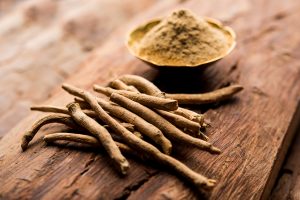
What Is Ashwagandha?
Ashwagandha (Withania somnifera) is an herb that has been used for centuries in traditional Ayurvedic medicine. It’s classified as an adaptogen—a group of plants believed to help the body adapt to physical, mental, and emotional stress.
Unlike stimulants or sedatives, adaptogens don’t force the body in one direction. Instead, they help regulate the stress response, supporting balance rather than overstimulation or suppression.
Ashwagandha is most commonly used today as a natural supplement for stress, mood balance, energy regulation, and sleep support.
How Does Ashwagandha Work in the Body?
Ashwagandha’s effects are primarily linked to how it influences the body’s stress response system—specifically the hypothalamic-pituitary-adrenal (HPA) axis.
When you’re under stress, your body releases cortisol, a hormone that helps you respond to challenges. Short-term cortisol release is normal and helpful. Chronic elevation, however, can contribute to:
- Anxiety and irritability
- Poor sleep
- Fatigue or burnout
- Difficulty concentrating
- Low mood
Research suggests that ashwagandha may help regulate cortisol levels, supporting a more balanced stress response over time. Rather than “blocking” stress, it helps the body recover from it more efficiently.

Does Ashwagandha Help With Stress and Anxiety?
For many people, yes.
Clinical studies have shown that ashwagandha supplementation may reduce perceived stress, anxiety symptoms, and cortisol levels—particularly in people experiencing chronic stress.
People who use ashwagandha for stress often report:
- Feeling calmer and more emotionally steady
- Less reactivity to daily stressors
- Improved resilience during busy or overwhelming periods
- Better ability to unwind at the end of the day
It’s important to note that ashwagandha doesn’t act like a fast-acting anti-anxiety medication. Its effects are typically gradual and cumulative.
Ashwagandha and Mood Balance
Stress and mood are closely connected. When stress is constant, mood often suffers.
Ashwagandha may support mood balance by:
- Reducing stress-related emotional fluctuations
- Supporting neurotransmitter balance
- Improving energy regulation
- Helping prevent stress-related burnout
For people who feel mentally drained, emotionally flat, or easily overwhelmed—but not necessarily clinically depressed—ashwagandha may offer gentle support without being sedating.
Can Ashwagandha Help With Sleep?
Ashwagandha isn’t a traditional sleep aid, but it may support better sleep indirectly.
Potential sleep-related benefits include:
- Easier transition into sleep
- Fewer stress-related awakenings
- Improved sleep quality over time
References
- Chandrasekhar, K., et al. “A Prospective, Randomized Double-Blind Study of Safety and Efficacy of Ashwagandha Root Extract in Reducing Stress and Anxiety.” Indian Journal of Psychological Medicine, 2012. https://www.ncbi.nlm.nih.gov/pmc/articles/PMC3573577/
- Lopresti, A. L., et al. “A Systematic Review of Ashwagandha.” Journal of Alternative and Complementary Medicine, 2014. https://pubmed.ncbi.nlm.nih.gov/24720528/
- Health Canada. “Ashwagandha (Withania somnifera): Natural Health Product Monograph.” https://health-products.canada.ca/lnhpd-bdpsnh/info?licence=80046069
- Health Canada. “Natural health product regulation in Canada: Overview.” https://www.canada.ca/en/health-canada/services/drugs-health-products/natural-non-prescription/regulation.html
Disclaimer: This article is intended for informational purposes only and is not a substitute for professional medical advice, diagnosis, or treatment. Always consult your healthcare provider with any questions about a medical condition or treatment.
Editorial Standards: At Rocky Health, we’ve made it our mission to support men and women with trustworthy, easy-to-understand medical and health information online. Read more about our editorial standards here.

